


BLOG
 Back
Back
The Magic of Stories at Home
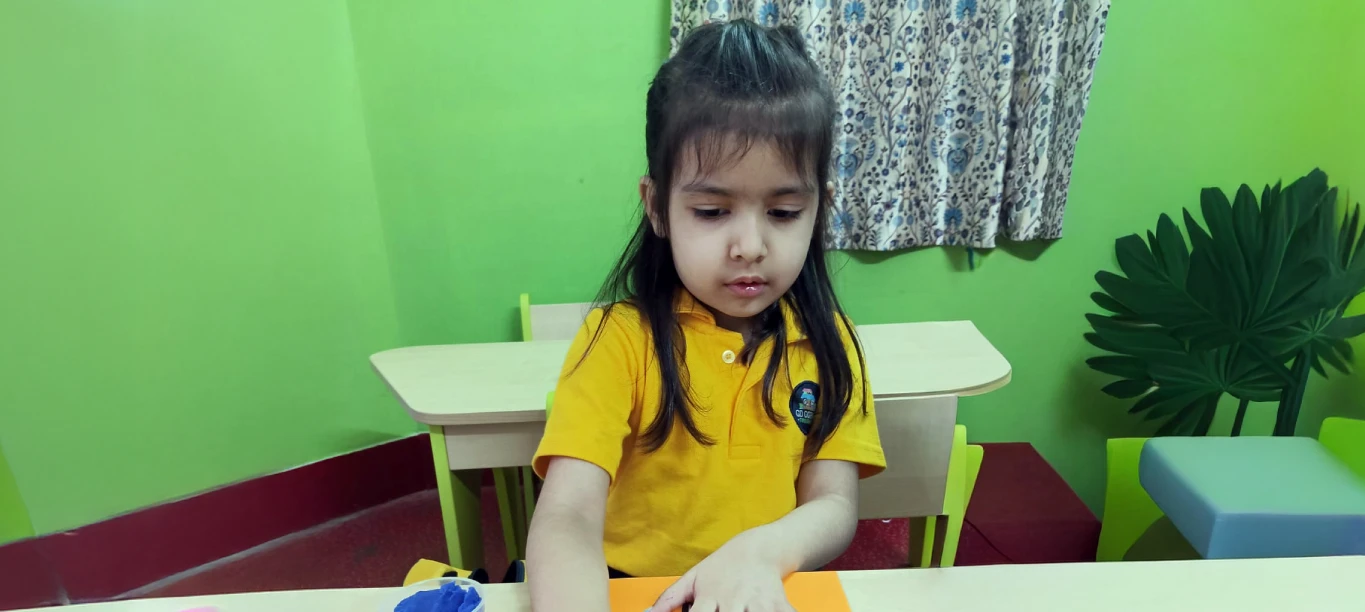


In every culture, across every generation, stories have been the first teachers.
Before formal schooling, before books, before screens — there were stories. Around kitchen fires, under trees, in quiet bedtime whispers — stories helped children learn about the world, understand feelings, build imagination, and make sense of life.
At preschool, storytelling is an essential part of learning. But its power grows even more when carried into the home.
Why Should Stories Be Told at Home Too?
Here's what stories do for your child - and for you - when shared at home:
1. Boost Language and Listening Skills
Stories expose children to rich vocabulary, sentence structure, and expression — all without feeling like a lesson.
2. Build Imagination and Creativity
Unlike TV or apps, stories told by voice require the child to imagine the characters, the scenes, and the action — keeping their creative minds active.
3. Strengthen Parent-Child Connection
The simple act of sitting close, sharing a story, and looking into each other's eyes builds emotional trust and warmth — more than any toy or gadget can.
4. Develop Emotional Intelligence
Through characters and situations, children learn about kindness, fear, courage, mistakes, and joy. They start to understand their own feelings and those of others.
5. Pass Down Values and Culture
Family stories, folk tales, or spiritual stories all help children understand who they are, where they come from, and what matters to the people around them.
Easy and Innovative Ways to Tell Stories at Home
You don’t need a shelf full of books or a big imagination. Try these simple methods that even busy parents can enjoy:
1. "Story Objects" or "Story Cards"
Use small objects or cards with pictures (a star, a tree, a cat, a cake, etc.). Let your child pick 3–5 randomly — and make up a story using those images.
2. Tell Family Stories
Children love hearing about when you were little, or the silly things their grandparents did.
“Did I ever tell you about the time I lost my shoe at the wedding?” “When you were a baby, you used to giggle every time the doorbell rang!”
These stories create identity and connection
3. Bedtime "Whisper Stories"
Turn off the lights and whisper a soft story into your child's ear — something magical, calming, and short. This becomes a cozy nightly ritual.
4. Object Storytelling
Take any 3 random objects from the house (a spoon, a key, a sock) and let your child invent a story — or do it together, turn by turn.
Spoon: “This isn’t an ordinary spoon… it's a magic spoon that can talk!”
5. Use Toys as Characters
Pick 2–3 toys or soft animals and turn them into characters with names and voices. Let them go on little adventures in the house — "Bunny goes to the kitchen," "Lion wants to learn to dance," etc.
6. Tell a Story with a Song
Use a familiar tune (like "Twinkle, Twinkle") and add your own words to turn it into a story-song. It doesn't have to rhyme perfectly!
In a world full of screens and busy routines, stories are one of the simplest, most powerful gifts we can give our children. You don’t need to be a performer. You just need to be present.
Shruti Handa Bhattacharya
Senior Manager, Preschools
(GD Goenka Group)







 +91 9312345678
 joinhands@gdgoenka.com