


BLOG
 Back
Back
The Settling-In Journey: Helping Your Preschooler Feel at Home in a New World
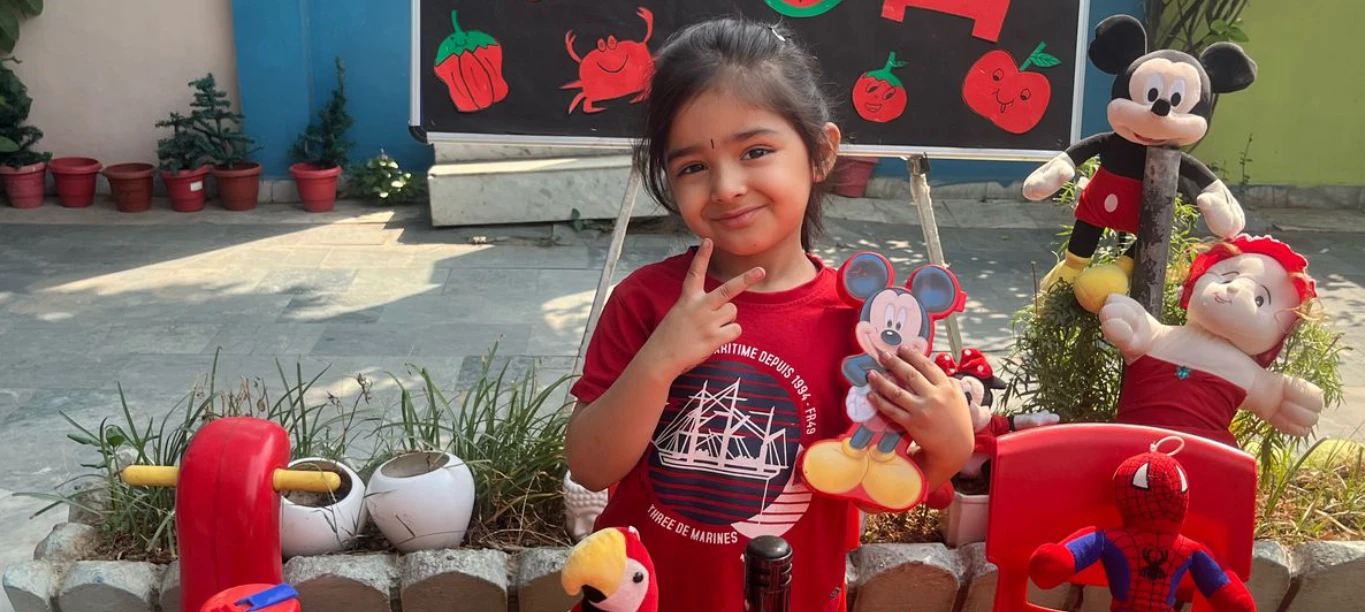


Starting preschool is a big milestone - not just for the child, but for the entire family. It's the first time many children are stepping into a structured world beyond the comfort of home, often with new faces, routines, and expectations. Some children jump in with excitement. Others need time - and lots of reassurance - to settle in.
This early transition period is tender, important, and completely normal.
What Happens During the Settling-In Period?
During the first few days or weeks:
- Children are learning to separate from parents or caregivers.
- They’re absorbing a new environment full of sounds, routines, and people.
- They’re building trust — in the teachers, in the space, and in themselves.
Some children may cry, cling, or feel unsure. Others may appear fine at school but act out emotionally at home. Both are normal. Every child's journey is unique — some settle in a few days, others in a few weeks.
The Role of the Family: Your Comfort Creates Their Confidence
As a parent or caregiver, you are your child's anchor. Your emotions and approach during this transition greatly influence how your child feels.
Here's how families can support a smooth settling-in experience:
1. Talk About Preschool Positively
Before and during the first days, talk about school in an upbeat, calm way. Use simple phrases like:
“You'll get to play with toys, meet friends, and listen to stories.”
2. Establish a Consistent Morning Routine
Predictability gives children a sense of control. Create a consistent, unhurried morning ritual — wake up, brush teeth, eat breakfast, say goodbye.
3. Keep Goodbyes Short and Certain
Lingering can confuse or heighten anxiety. A loving, consistent goodbye helps build trust:
“I'll be back after storytime. Have a fun day!”
4. Validate Their Feelings
It's okay if they cry or resist. Avoid “Don’t be sad” and try:
“I know it's hard to say goodbye. I'll miss you too.”
5. Stay Calm and Confident
Children sense your energy. If you show trust in the school, they'll begin to feel safe there too.
The Role of the School: A Safe Bridge Between Home and the World
In the early weeks, our role is to be a gentle, consistent presence that welcomes the child and respects their pace. Our teachers are trained to observe and respond to emotional needs, not just academic ones.
Here's how we help your child settle in:
1. Warm, Individualized Welcome
We greet each child by name, get down to their eye level, and offer connection through calm voices, familiar routines, and favourite toys.
2. Soft Start (if needed)
For some children, shorter initial days, gradual separation, or staying with a parent briefly can help ease the transition.
3. Emotional Safety Comes First
We don’t rush children into group activities. Instead, we observe their readiness and gently invite participation, always respecting their need to observe or take space.
4. Communication with Parents
We share updates, answer your concerns, and celebrate small wins together — a smile, a completed activity, a goodbye without tears.
New shoes, small hands, wide curious eyes,
A brand-new day with butterflies.
A kiss goodbye, a little cry —
But soon the tears begin to dry.
At school they paint, they play, they run,
They sing a song, they share some fun.
At home you ask, “What did you do?”
A tiny smile: “I played with glue.”
It starts this way, a little slow,
But day by day, they learn and grow.
With school and home, both hand in hand,
Together strong — they'll learn to stand.
The settling-in period is not just about adjustment — it's about building trust, forming new bonds, and giving your child the emotional tools to explore the world with confidence. It takes partnership, patience, and presence — of school and the family.
So if the journey starts with tears, know that they’re part of the process. With time, care, and consistent support, the classroom becomes a second home, and learning becomes a joyful adventure.
Meenakshi Khetrapal
Director, Pre School
(GD Goenka Group)





 +91 9312345678
 joinhands@gdgoenka.com