


BLOG
 Back
Back
Avoiding labels: Letting children grow without limitations
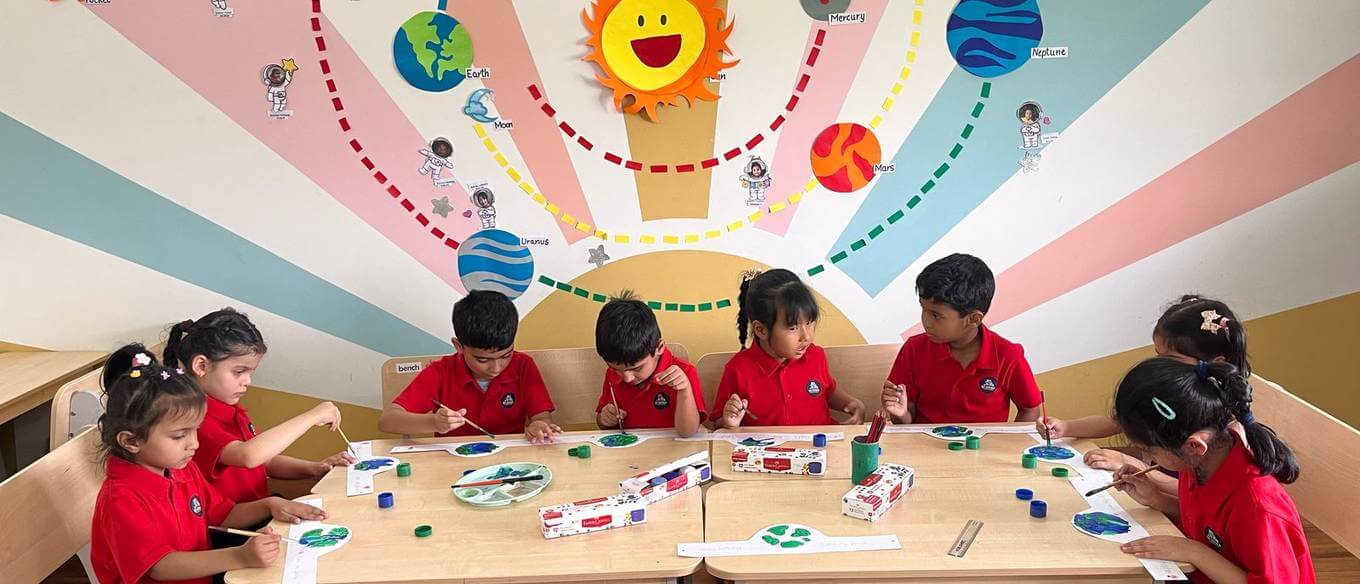


Children are curious, creative, and full of potential. They try new things and learn about themselves every day. Sometimes, however, the words we use to describe them can unintentionally hold them back.
When children are repeatedly called "shy," "naughty," "slow learner," "smart," or "troublemaker," they may begin to believe these labels define who they are. Over time, this can influence their confidence, behaviour, and willingness to take on new challenges. In some cases, even positive labels can create pressure to always live up to expectations.
How label can impact a child’s identity
Every child is unique, and more importantly, every child is constantly growing and changing. A quiet child today may become a confident public speaker tomorrow. A child who struggles with one subject may discover exceptional talent in another.
When we describe a child's current behaviour instead of assigning a permanent label, we leave room for growth. Children begin to understand that abilities and behaviours can change with time, practice, and experience.
Why parents should focus on behavior
The way we respond to children matters. Instead of saying, "You are careless," we can say, "You made a mistake. That is okay." This simple shift helps children understand that mistakes are part of learning rather than a reflection of who they are.
Similarly, instead of only telling a child they are "smart," we can recognise their effort, determination, persistence, and problem-solving skills. Praising the learning process encourages children to keep trying and reminds them that improvement comes through practice.
Why creating a positive environment is important
Parents, teachers, and caregivers all play an important role in shaping how children see themselves. The language adults use every day can either limit a child's confidence or encourage them to grow.
Using supportive and encouraging words helps children feel valued for who they are rather than being defined by a single characteristic. It creates an environment where they feel safe to ask questions, explore new interests, and learn from their experiences.
Conclusion
When we avoid labels that limit children, we give them the freedom to explore, make mistakes, and discover their strengths. Every child deserves the opportunity to grow without being confined by someone else's expectations.
By choosing our words thoughtfully, we help children build confidence, develop resilience, and believe in their ability to keep learning. After all, children are always growing—and they should have the freedom to become the best version of themselves.
Ms. Vineeta Agnihotri
Principal
GDGTH Rajajipuram, Lucknow





 +91 9312345678
 joinhands@gdgoenka.com