


BLOG
 Back
How Parents Can Support Early Learning Without Turning Home into a Classroom
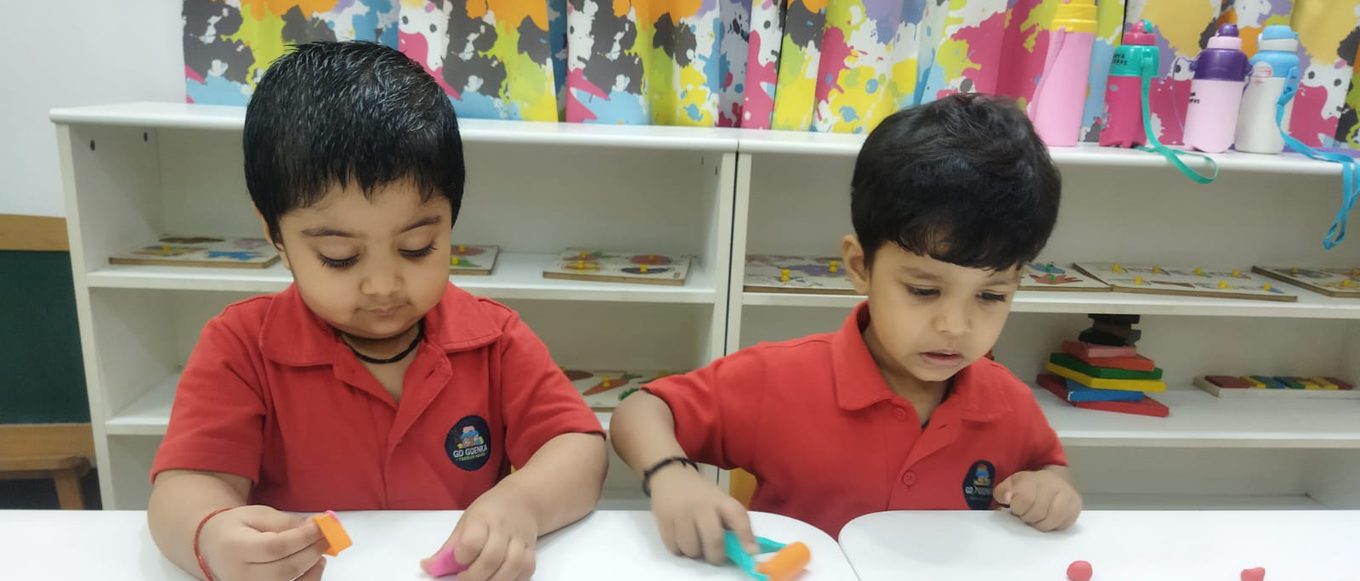


As parents, we want to give our children the best possible start in their learning journey. It is natural to wonder if we are doing enough – should we practise at home, revisit schoolwork, or find new ways to encourage learning?
When Arya started Playgroup at G.D. Goenka Toddler House, I wanted to support her in every way. Over time, I realised my role was not to recreate school at home, but to create an environment that complements it.
Children have teachers who guide them through structured learning. At home, they need space where they can ask questions, make mistakes, explore their interests, and feel comfortable being curious. This supports learning by helping children connect what they learn at school with everyday life.
Simple Ways to Encourage Learning at Home
Parents can support early learning through small, everyday experiences rather than formal lessons or additional academic tasks.
- Read together: Sharing stories builds language, imagination, and listening skills. Allowing children to talk about pictures, characters, and events makes reading more interactive.
- Encourage conversations: Talking about everyday experiences gives children opportunities to express their thoughts, ask questions, and learn new words.
- Explore the outdoors: Walks and outdoor experiences encourage children to observe their surroundings, notice changes, and develop curiosity about the world.
- Make room for play: Simple games and pretend play allow children to explore ideas, solve problems, and use their imagination.
- Include children in everyday activities: Involving them in simple household tasks provides opportunities to follow instructions, make choices, and learn through experience.
- Let children make mistakes: Giving children time to try, explore, and find solutions helps them become comfortable with the learning process.
These experiences can complement what children learn at school without making home feel like another classroom.
What Research Says About Early Learning
Research by the Harvard University Center on the Developing Child highlights the importance of responsive, back-and-forth interactions between children and caring adults. Such exchanges support the development of early language, social skills, and the foundations for more complex learning.
Similarly, UNICEF India’s early childhood development guidance encourages parents to talk and listen to children, read stories, play together, and involve them in everyday experiences. These simple interactions can create meaningful opportunities for learning without relying on formal instruction.
For me, good parenting is not about adding academic pressure, but about creating the conditions in which children can learn with confidence, develop curiosity, communicate their ideas, and become comfortable with trying and learning from mistakes.
Children do not need another classroom after school. They need home – a place where learning is supported through everyday experiences and encouragement. When children feel secure enough to explore and make mistakes, they are more likely to develop not only academic skills but also the confidence and curiosity that can support them throughout their learning journey.
Conclusion
Supporting early learning does not require parents to plan formal lessons or recreate classroom activities at home. Often, it begins with reading a story, answering a question, enjoying a walk, or allowing a child to explore something new.
At GD Goenka Toddler House, the early learning journey is complemented by the understanding that children continue to learn through their experiences beyond school. When home provides the freedom to explore, the reassurance to make mistakes, and the encouragement to remain curious, everyday moments can become valuable growth opportunities.
Garima
Arya’s Mother





 +91 9312345678
 joinhands@gdgoenka.com