


BLOG
 Back
Back
How Parents Can Build Better Communication Skills in Toddlers
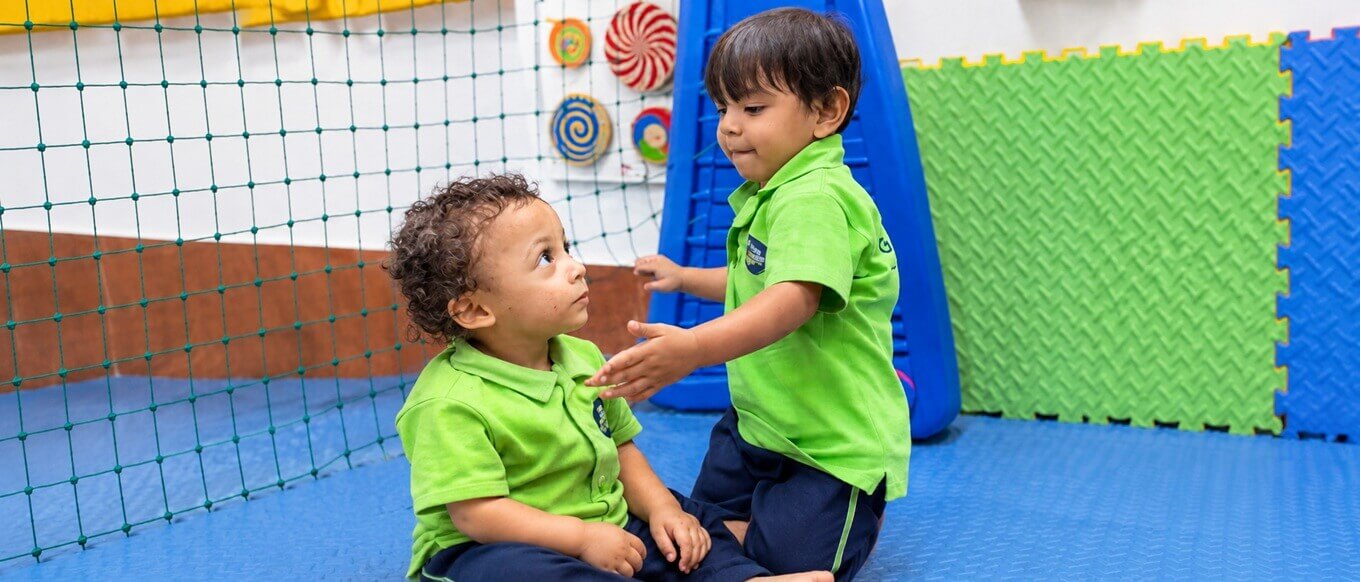


Toddlers have a lot to say, even when they do not have all the words yet. A pointed finger, a word repeated all day, a story with half the details missing, or a sudden tantrum because they cannot explain what they want, these are all ways young children try to communicate.
At this age, communication grows through everyday moments. Talking during meals, answering their endless questions, listening to their stories, and giving them time to express themselves can slowly make speaking and listening feel natural.
Why Is Communication Important for Toddlers?
Communication helps toddlers express what they want, understand what others are saying, and find words for their thoughts and feelings. It also becomes important when they begin spending more time with other children and adults outside the home.
That is why communication should not feel like another skill a child has to sit down and practise. For young children, talking, listening, asking questions, and expressing themselves happen naturally through play and everyday interactions.
9 Simple Ways to Build Better Communication Skills in Toddlers
1. Talk About Everyday Things
Simple conversations are often the most useful. Talk about what is happening while getting dressed, preparing food, or going outside.
Instead of only asking questions, describe what is happening: “We are putting on your blue shoes. Shall we go to the park?”
2. Give Them Time to Answer
Toddlers may need a few extra seconds to find the right word. Avoid answering for them immediately.
That small pause gives them time to think and shows that their words are worth waiting for.
3. Ask Questions They Can Talk About
Questions with more than a yes-or-no answer give children a reason to explain something.
Try asking, “What did you build?” or “Which part of the story did you like?” instead of simply asking, “Did you like it?”
4. Help Them Name Their Feelings
Sometimes a toddler knows exactly how they feel but does not know the word for it.
Simple phrases such as “You seem upset because the toy broke” or “You look excited about going outside” help children connect feelings with words.
5. Let Them See Good Communication
Children notice how people around them speak and listen. Listening without interrupting, speaking politely, and showing interest in what someone is saying gives them an example to follow.
6. Give Them Small Choices
Choices create natural reasons to communicate.
Instead of “Get ready,” try “Would you like the red cup or the blue one?” Even a simple choice encourages a child to listen, understand, and respond.
7. Practise Taking Turns
Conversation is about listening as much as speaking. Storytelling, pretend play, simple games, and taking turns talking about the day can help children understand this rhythm.
8. Don't Correct Every Pronunciation
A toddler may say a word incorrectly while clearly knowing what they mean. Constant correction can make speaking feel like a test.
Instead, repeat the word naturally. If they say, “I want wawa,” a response like “You want some water?” gives them the correct word without stopping the conversation.
9. Keep Talking Fun
Communication grows when children enjoy using it. Songs, rhymes, picture books, pretend play, and silly conversations give toddlers reasons to speak without making it feel like a lesson.
What Should Parents Look for in an Early Learning Environment?
The way children communicate is also shaped by the environment around them. A toddler who gets regular opportunities to talk, ask questions, make choices, and interact with others has many more chances to practise these skills.
This is something parents can keep in mind when looking at the Best Preschools. Beyond classrooms and facilities, it is worth noticing whether children are encouraged to speak, whether adults listen to them, and whether everyday activities leave room for conversation.
For parents comparing the Best Preschools, another useful thing to notice is how much of the day involves stories, pretend play, music, group activities, and exploration. These experiences can give young children different reasons to communicate rather than simply asking them to repeat words.
As children grow, these habits continue to matter. Families exploring Kindergarten Schools can look for an environment where children are encouraged to participate, express their ideas, and become comfortable speaking with others.
The same approach is valuable when considering the next stage. A child who has already experienced conversations, storytelling, group play, and everyday opportunities to express themselves may find it easier to participate in a new learning environment.
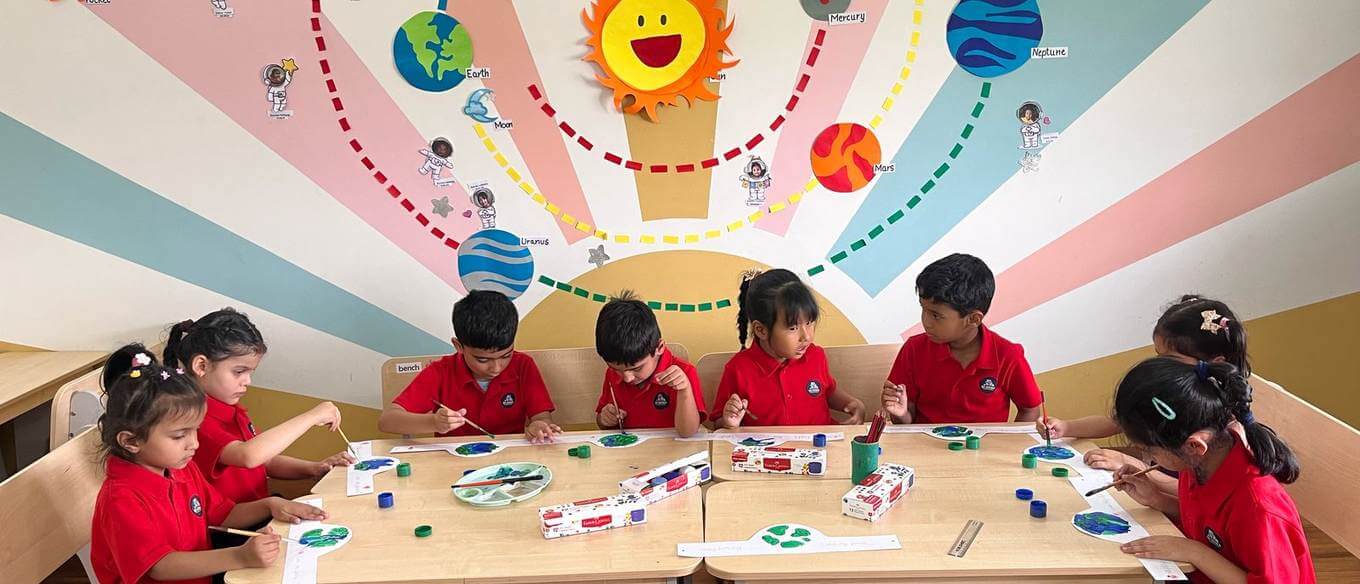
At GD Goenka Toddler House, communication is woven into everyday early-learning experiences through stories, play, activities, interaction, and exploration. The aim is to give young children a warm and engaging setting where they can express themselves, listen to others, and gradually become more confident communicators.
Every Little Conversation Counts
Children do not all become talkative at the same time. Some may tell long stories, while others may communicate through gestures, short phrases, or a few carefully chosen words.
What matters is giving them time, attention and plenty of reasons to communicate.
A conversation at breakfast, a story before bed, a question during play or a few minutes spent listening to a very serious toddler explanation may seem small. For a young child, these moments are where communication begins to grow.
Ms. Ankita Dhanuka
Mother of Rivaan Dhanuka
G D Goenka Toddler House, Guwahati





 +91 9312345678
 joinhands@gdgoenka.com