


BLOG
 Back
Back
Start a Preschool in India: Guide for First-Time Entrepreneurs
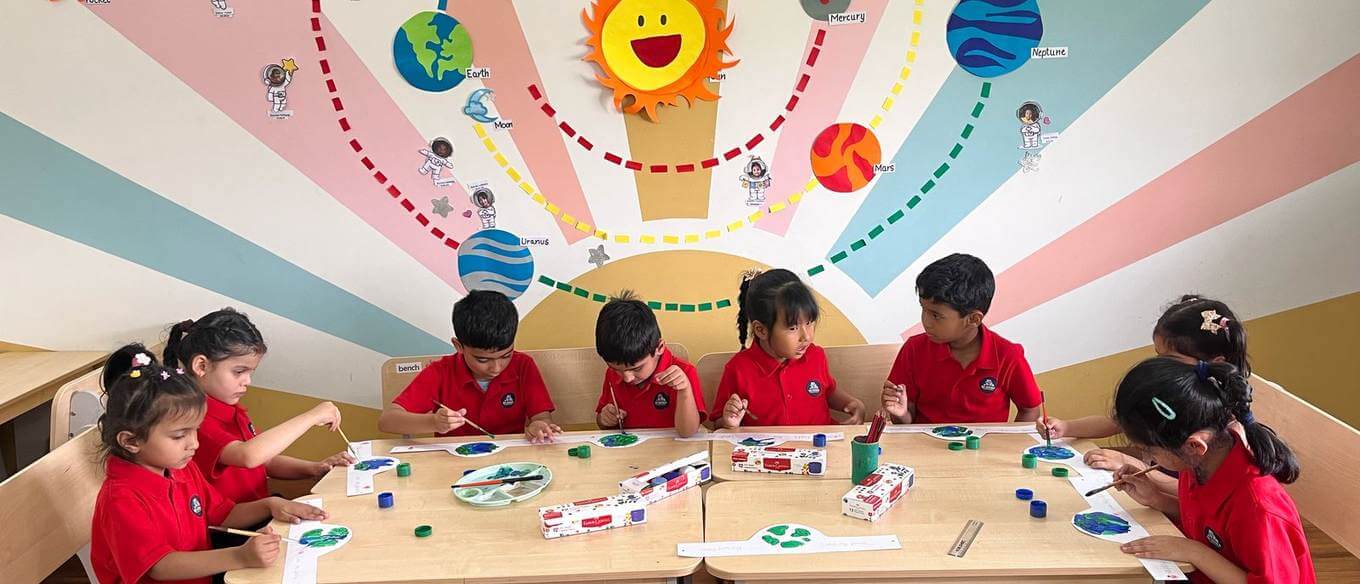


Starting a preschool in India requires more than finding a suitable property and setting up classrooms. For a first-time entrepreneur, it involves understanding local demand, planning the finances, choosing an appropriate business model, creating a safe learning environment, hiring the right team, and establishing processes for admissions and daily operations.
A well-planned preschool can meet an important need for families in its local area while creating a sustainable business. The key is to approach the process as both an educational venture and a business that requires careful planning.
Here is a step-by-step guide to the key considerations before starting a preschool.
1. Assess the Local Preschool Market
Before investing in a preschool, start by understanding the area where you intend to operate. The number of young families, existing preschools, residential developments, and accessibility can give you an initial picture of the potential demand.
Study the preschools already operating in the locality. Consider their fee ranges, programmes, facilities, timings, location and approach to early learning. Speaking with parents can also help you understand what they value when choosing a preschool, such as convenience, safety, learning activities, communication or childcare options.
This research can help you identify an appropriate target audience and determine whether there is sufficient demand for another preschool in the area.
2. Difference Between an Independent Preschool and a Franchise
Once you understand the local market, the next decision is how you want to structure the preschool.
An independent preschool gives the owner greater control over the brand, curriculum, fees, staffing, and operations. However, these systems have to be developed and managed independently.
A preschool franchise in India, on the other hand, may provide an established framework covering areas such as curriculum, training, branding, setup and operations. This can be particularly relevant for entrepreneurs entering the education sector for the first time.
Independent Preschool vs Preschool Franchise
| Factor | Independent Preschool | Franchise |
|---|---|---|
| Brand recognition | Developed independently | Existing brand framework |
| Curriculum | Created or selected by the owner | Usually provided or guided |
| Teacher training | Organised independently | May be supported by the franchisor |
| Setup | Managed by the owner | Structured setup assistance may be available |
| Marketing | Owner-led | May include brand and local support |
| Operations | Systems developed independently | Established processes may be available |
| Flexibility | Greater control | Operates within franchise guidelines |
Neither model is automatically suitable for every entrepreneur. The right choice depends on your experience, investment capacity, preferred level of independence, and the type of support you require.
3. Prepare a Preschool Business Plan
A preschool business plan provides a practical framework for turning the idea into an operating centre. It should cover both the educational and financial aspects of the proposed preschool.
Begin by defining your target families, proposed location, age groups, programmes, and expected student capacity. Then estimate the major costs involved in establishing and running the centre.
Your plan should consider:
- Property rent or lease costs
- Interior setup and child-safe infrastructure
- Furniture and learning resources
- Teacher and support staff salaries
- Marketing and admissions expenses
- Technology and administrative systems
- Utilities and maintenance
- Initial working capital
- Expected fee structure
- Estimated enrolment
- Monthly operating expenses
It is also important to distinguish between one-time setup costs and recurring expenses. This gives you a clearer picture of how much capital may be required before the preschool reaches a stable level of enrolment.
Key Components of a Preschool Business Plan
| Component | What to Consider |
|---|---|
| Market | Local demand, competition and target families |
| Location | Rent, accessibility and catchment area |
| Infrastructure | Classrooms, play areas and safety provisions |
| Staffing | Teachers, assistants and centre leadership |
| Learning resources | Books, teaching materials and activity resources |
| Marketing | Launch and ongoing admissions activities |
| Technology | Communication and administrative tools |
| Working capital | Initial operating expenses |
| Revenue | Fees, enrolment and expected capacity |
| Break-even | Enrolment required to cover regular costs |
A simple break-even calculation can also help with planning:
Break-even enrolment = Monthly fixed costs ÷ Average monthly fee per child
This is only a planning estimate, as actual results will vary according to factors such as rent, salaries, fee structure, student capacity and local demand.
4. Select the Right Location and Premises
Location can influence both admissions and the everyday experience of families. Ideally, the preschool should be accessible to the families within its target catchment area and convenient for daily drop-off and pick-up.
When evaluating a property, consider:
- Accessibility and surrounding neighbourhood
- Available usable space
- Natural light and ventilation
- Child-friendly classrooms
- Safe movement within the premises
- Play and activity areas
- Washroom facilities
- Drop-off and pick-up arrangements
- Emergency exits and safety provisions
Before finalising a property, also check the permissions, registrations, safety requirements, and other local conditions applicable to operating a preschool in that area. These requirements can vary by location, so they should be verified with the relevant local authorities and professionals.
5. Plan the Preschool Infrastructure
The physical environment should support both safety and learning. Classrooms need age-appropriate furniture and sufficient space for children to move, play and participate in activities.
An effective setup may include dedicated areas for classroom learning, creative activities, reading, play, and group interaction.
Preschool Setup Checklist
| Area | Important Considerations |
|---|---|
| Classrooms | Ventilation, lighting, and age-appropriate furniture |
| Play area | Safe equipment and suitable flooring |
| Washrooms | Child-friendly fixtures and hygiene |
| Security | Controlled access and supervision |
| Learning areas | Books, teaching and learning materials |
| Emergency systems | Fire safety and first-aid provisions |
The objective is not simply to create an attractive space, but one that is safe, functional and appropriate for young children.
6. Develop the Curriculum and Build the Right Team
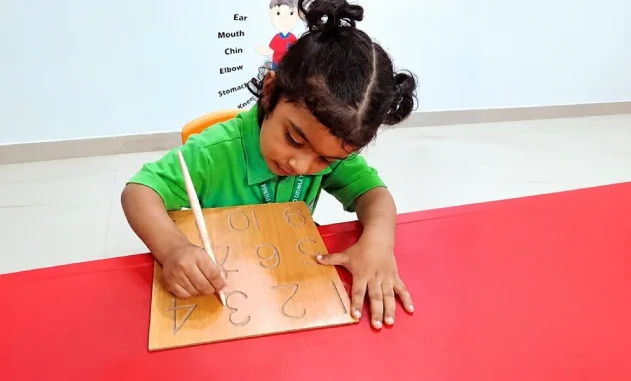
A preschool's learning approach should be appropriate for the developmental stage of young children. Activities can introduce early language and numeracy, motor skills, creativity, communication, social interaction and simple problem-solving through age-appropriate experiences.
People are equally important. Depending on the size of the centre, the team may include teachers, teaching assistants, a centre head and support staff.
Recruitment should consider qualifications, experience, communication skills and the ability to work effectively with young children. Ongoing training can help staff maintain consistent classroom practices and respond appropriately to children's changing needs.
7. Plan Your Admissions and Marketing Strategy
A preschool also needs a clear plan for reaching families in its local area.
A website, local search presence, and social media can help parents discover the preschool. However, offline interactions remain important as well. Open houses, school visits, parent interactions, local events, and referrals can provide families with an opportunity to understand the preschool before making an enrolment decision.
Marketing communication should clearly explain:
- Age groups and programmes
- Fee structure and admission process
- Timings
- Learning approach
- Facilities
- Safety practices
- Staff qualifications
- Parent communication processes
Clear and accurate communication can help parents form realistic expectations about the preschool.
8. Establish Systems for Day-to-Day Operations
Once the preschool opens, consistent operations become essential. A business plan should therefore extend beyond the launch stage.
Consider how you will manage:
- Admissions and student records
- Attendance
- Fee collection
- Parent communication
- Staff schedules
- Learning resources
- Health and safety procedures
- Maintenance
- Feedback and parent concerns
- Staff training
Having defined processes can make everyday management more organised and reduce the dependence on individual decisions.
9. What to Look for in a Preschool Franchise in India
For entrepreneurs considering a preschool franchise in India, comparing franchise opportunities requires more than looking at the brand name or initial investment.
Before making a decision, understand what the franchisor actually provides and what remains the responsibility of the franchise partner.
Key areas to evaluate include:
- Curriculum and learning framework
- Teacher training and development
- Site selection and setup guidance
- Infrastructure and branding support
- Marketing and admissions assistance
- Technology and parent communication systems
- Operational guidelines
- Ongoing training and support
- Franchise fees and other associated costs
- Agreement duration and renewal terms
- Territory or location-related provisions
It is also useful to understand the level of support available after the preschool opens. A franchise relationship is not limited to the initial setup; ongoing operational and academic guidance can be an important consideration for first-time entrepreneurs.
10. Review the Plan Before You Invest
Before committing to a property, franchise, or major infrastructure expense, review the complete plan once again.
Ask yourself:
- Is there sufficient demand in the chosen area?
- Is the location convenient for the target families?
- Have all major setup and operating costs been considered?
- Is the expected fee structure realistic for the locality?
- How many students are required to cover regular expenses?
- Do you have sufficient working capital for the initial months?
- Do you have the experience and team required to operate the preschool?
- If considering a franchise, have you understood the support, costs, and contractual terms?
Answering these questions before launch can help identify potential challenges while there is still time to address them.
Conclusion
Starting a preschool in India involves decisions across education, infrastructure, finance, staffing, marketing and operations. A clear understanding of the local market and a well-prepared preschool business plan can provide a stronger foundation for these decisions.
Entrepreneurs also need to decide whether an independent preschool or a preschool franchise in India better matches their experience, resources, and preferred approach. An independent model provides greater flexibility, while a franchise may offer an established framework and structured support.
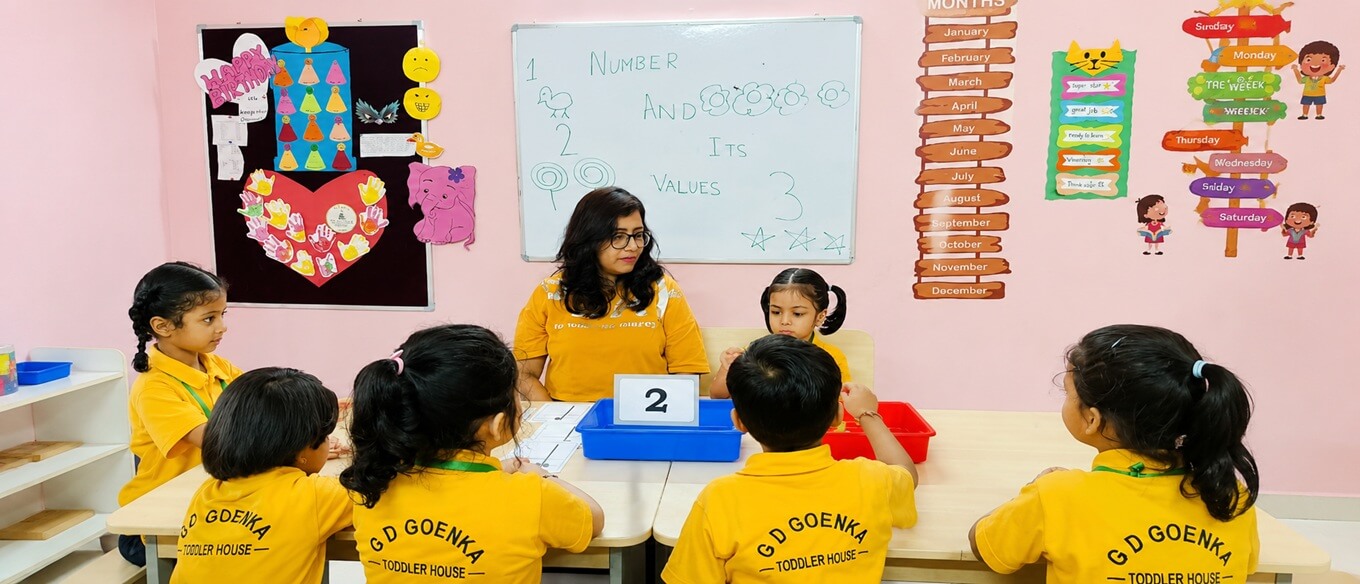
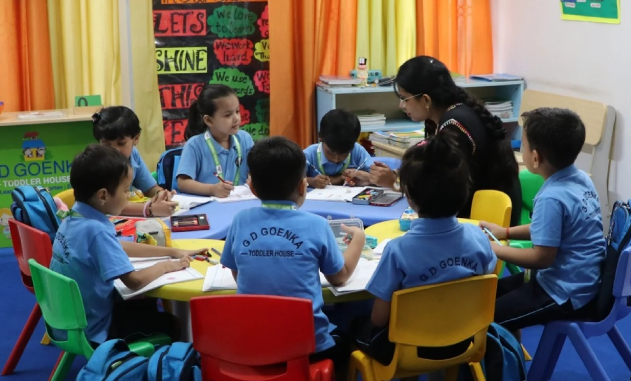
For first-time entrepreneurs who prefer a guided approach, GD Goenka Toddler House is one preschool franchise option to evaluate, with support across areas such as curriculum, training, setup, and operations. As with any business decision, prospective partners should review the model, costs, responsibilities, and support available before making an investment.





 +91 9312345678
 joinhands@gdgoenka.com