


BLOG
 Back
How Much Does It Cost to Start a Preschool in India?
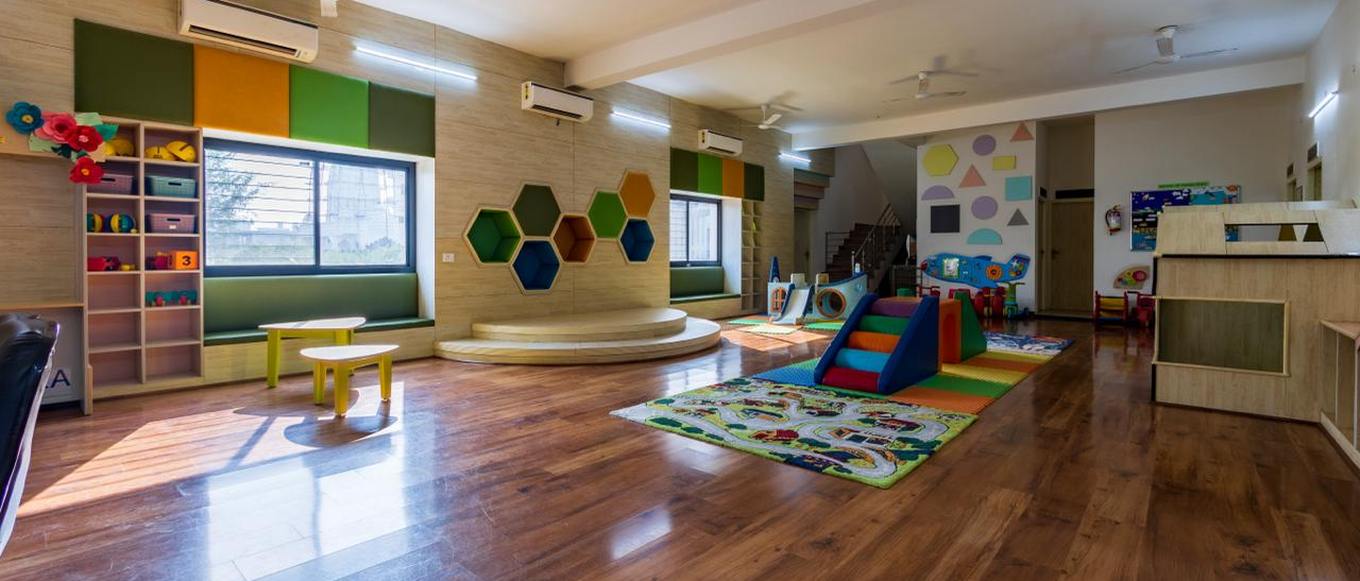


Starting a preschool involves more than finding a suitable property and setting up classrooms. Entrepreneurs need to consider the infrastructure, learning resources, staffing, location, and operational requirements before making an investment. The preschool startup cost in India varies depending on the size of the centre, the facilities offered,d and the business model being considered.
One of the first decisions is whether to establish an independent preschool or become part of an established franchise. Both approaches have different financial requirements, levels of support, rt and operational responsibilities. Understanding these differences can help aspiring entrepreneurs plan their investment more effectively.
Independent Preschool vs. Preschool Franchise: Understanding the Difference
An independent preschool gives entrepreneurs the flexibility to develop their own brand, curriculum, teaching approach, and operational structure. However, it also means building these elements from the beginning, including academic resources, teacher training, marketing, and administrative processes.
A preschool franchise in India offers an alternative through an established brand and an existing operational framework. Depending on the franchise, entrepreneurs may receive curriculum support, learning materials, teacher training, infrastructure guidance, and marketing assistance.
The initial investment in both models can differ, but the comparison should go beyond the setup cost. Entrepreneurs should also consider the time, resources,s and expertise required to establish and manage the preschool independently.
Understanding Preschool Startup Costs in India
The preschool startup cost in India depends on several factors, and there is no single investment figure applicable to every location or business model. A small centre in a residential neighbourhood may have different requirements from a larger preschool with multiple classrooms and dedicated activity spaces.
The initial investment generally covers property arrangements, infrastructure, furniture, educational resources, recruitment, and other setup expenses. Entrepreneurs should also account for recurring costs such as salaries, utilities, maintenance, and classroom supplies.
When estimating the budget, it is important to distinguish between one-time setup expenses and the working capital needed to manage daily operations. This provides a more realistic picture of the financial commitment involved in starting a preschool.
Major Cost Factors Involved in Starting a Preschool
Several components contribute to the overall investment. Understanding each of them can help entrepreneurs prepare a practical budget.
1. Property and Infrastructure
The property is one of the primary expenses when establishing a preschool. Rental deposits, lease arrangements, classroom development, child-friendly furniture, washrooms, and play areas all contribute to the initial cost. The premises should also meet the space, accessibility, and safety requirements of the centre.
2. Learning Resources and Curriculum
Books, educational toys, activity kits, teaching materials and classroom resources form an important part of preschool setup. Entrepreneurs also need to consider curriculum development or the cost of adopting an established academic programme suited to early childhood learning.
3. Staffing and Training
A preschool requires teachers, a centre head and support staff to manage daily activities. Salaries will depend on the location, qualifications and experience of employees. Recruitment, induction and professional training should also be included in the budget.
4. Licences and Registrations
Entrepreneurs should account for applicable registrations, permissions and compliance requirements before opening a centre. Depending on the location and nature of operations, safety arrangements and other regulatory requirements may also involve additional expenses.
5. Operational and Marketing Costs
Daily expenses include electricity, water, cleaning supplies, maintenance,e and classroom consumables. Initial branding, signage, local advertising, and promotional activities also require budgeting. Keeping some working capital aside can help manage these expenses during the initial months.
How Location Affects Preschool Investment
Location influences both the cost of setting up a preschool and its ability to attract families. Rental values, property availability, residential density and local demand vary across cities and neighbourhoods.
Before selecting a property, entrepreneurs should assess the surrounding residential catchment, accessibility for parents and the presence of other preschools nearby. A location with reasonable rental costs may not necessarily be suitable if it is difficult for families to reach or has limited demand.
The property should also offer sufficient space for classrooms, indoor activities, washrooms, and other essential facilities. Evaluating these factors together can help entrepreneurs make a more informed decision rather than choosing a location based on rent alone.
What to Look for When Choosing a Preschool Model
The choice of preschool model should consider more than the initial investment. Entrepreneurs need to understand the academic, operational, and business requirements involved in running a centre.
Some important aspects to evaluate include:
- Curriculum and teaching approach: The academic framework should support age-appropriate learning, creativity, exploration, and overall development.
- Training and academic support: Check whether teachers receive adequate training and ongoing professional development.
- Infrastructure guidance: Understand the space requirements, classroom setup, and facilities needed to establish the centre.
- Operational assistance: Review the support available for daily management, administration,n and academic planning.
- Commercial terms: Examine the franchise fee, royalty structure, agreement duration, renewal conditions and other financial obligations.
These considerations are equally important when assessing established brands. Parents looking for the best preschools in India often consider the curriculum, teacher quality, safety, ty and learning environment before making a decision. For entrepreneurs, understanding these expectations is essential because the quality of the preschool experience influences parent confidence and the centre's reputation.
GD Goenka Toddler House: Exploring a Preschool Franchise Opportunity
For entrepreneurs exploring an established preschool model, GD Goenka Toddler House offers a franchise opportunity supported by an academic framework and operational guidance.
The franchise has a stated investment of up to ₹20 lakh, with a brand fee of ₹4 lakh plus GST. It requires a minimum space of 200 sq. metres and offers a seven-year franchise term with a no-royalty model. Day Care is also available as an additional programme.
The support structure includes student study kits, curated academic resources, preschool setup assistance, teacher training and professional development. Its curriculum draws upon the educational philosophies of Friedrich Froebel and Maria Montessori, along with Howard Gardner's Theory of Multiple Intelligences.
These elements provide entrepreneurs with an existing academic and operational framework to consider while evaluating their investment. Property costs, salaries, and other local operating expenses will, however, depend on the location and individual centre requirements.
Entrepreneurs interested in understanding the investment structure and franchise support can explore the GD Goenka Toddler House opportunity.
Conclusion
Starting a preschool requires a clear understanding of the investment, operational responsibilities, and educational requirements involved. From property selection and infrastructure to staffing, learning resources,s and recurring expenses, each component contributes to the overall cost.
Whether choosing an independent setup or a franchise, entrepreneurs should evaluate the financial requirements alongside the academic framework and support available. For those considering an established preschool model, GD Goenka Toddler House offers an opportunity to explore a structured early childhood education programme with setup and academic support.





 +91 9312345678
 joinhands@gdgoenka.com